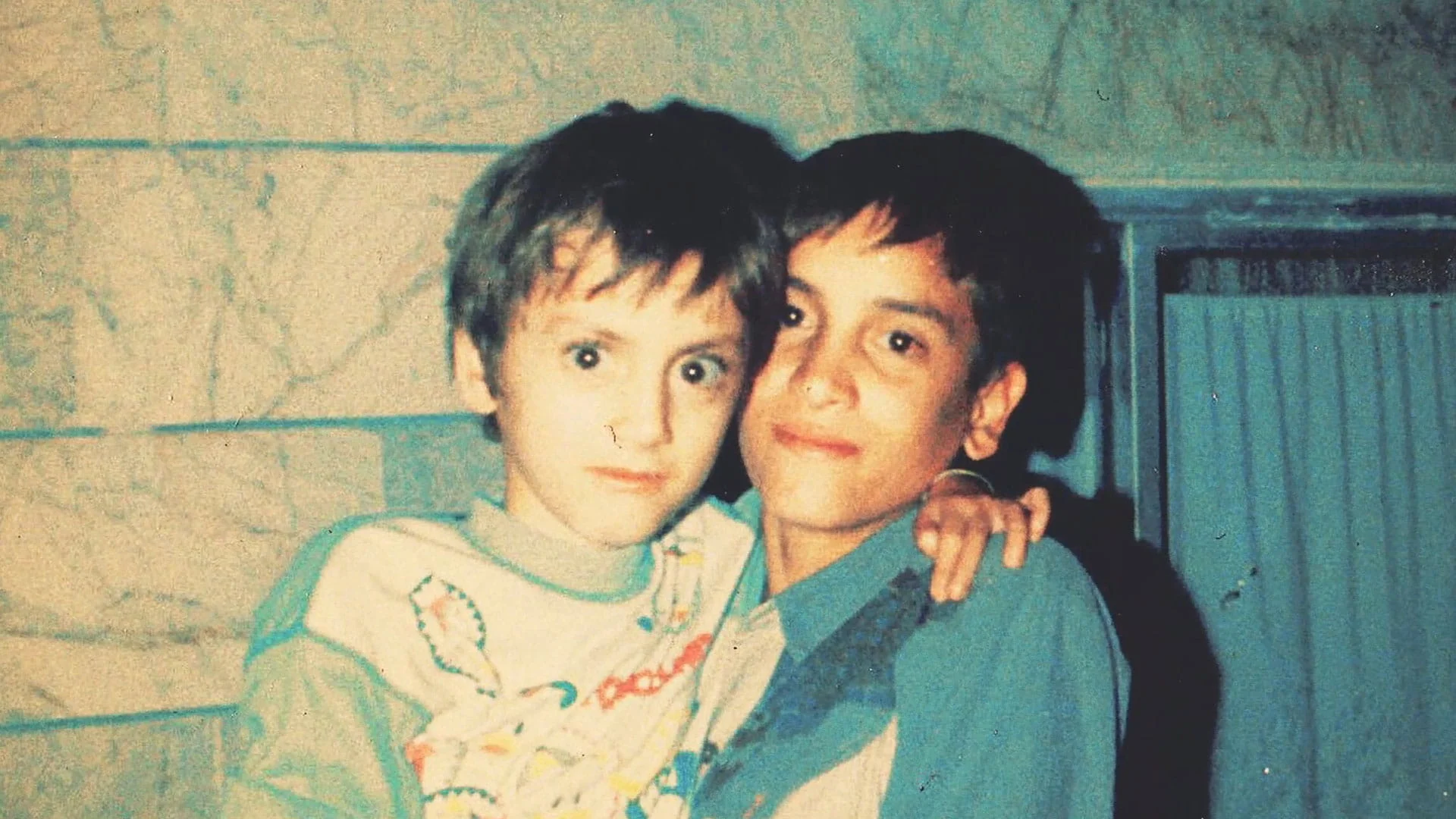
struggles with PTSD. His psychologist suggests that he finds a way to help boys suffering the same disease as his brothers to alleviate his symptoms, especially his survivor’s guilt.
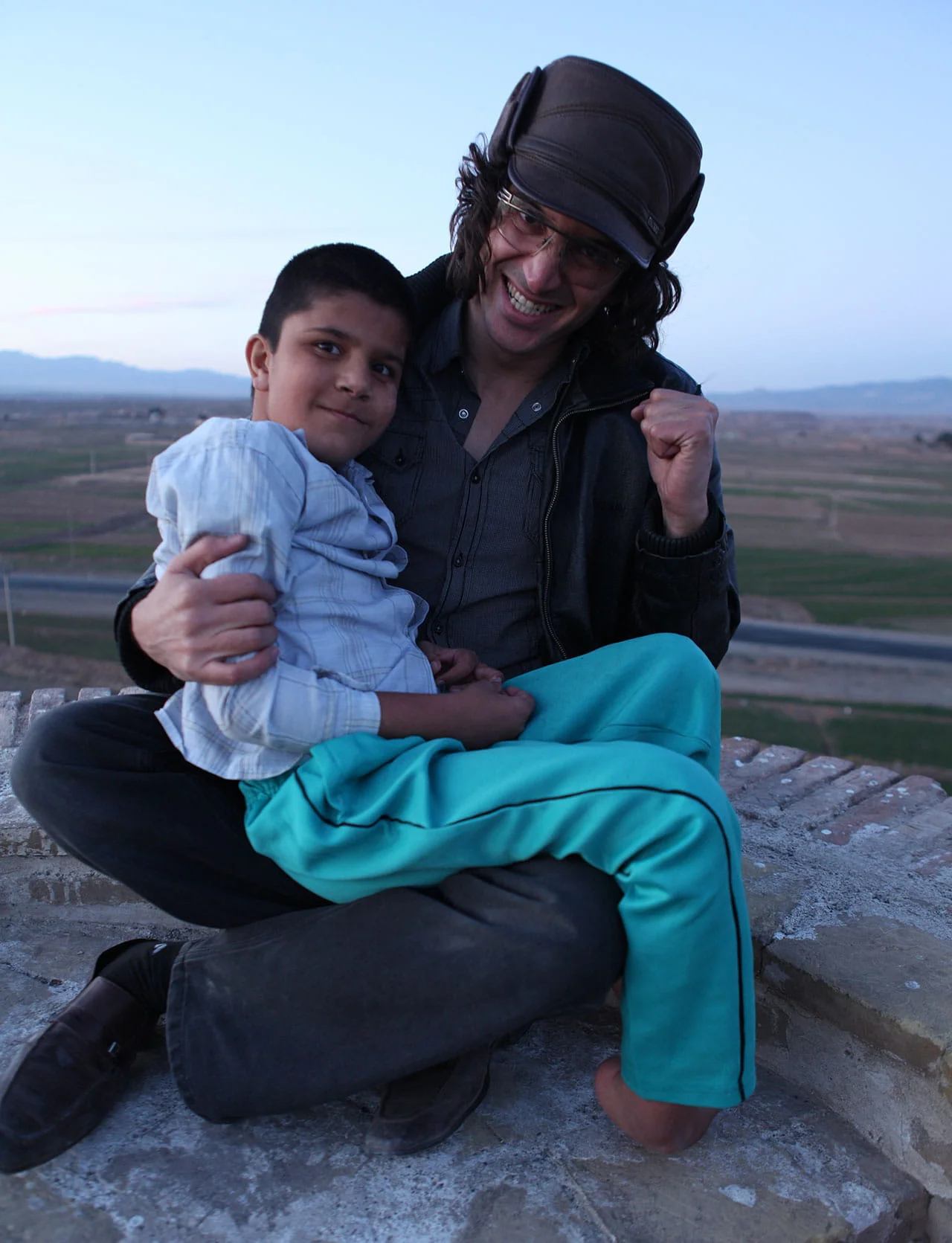
Sohrab is reminded of his brothers when he meets Matin, a young British-Iranian with Duchenne, who plays football for the English Powerchair Premier League and is also an avid football gamer. Inspired by his energy and the opportunities that have enabled Matin to thrive, Sohrab is inspired to help more Duchenne boys realise their football dreams, something he was unable to do for his brothers.
He strikes upon a unique idea: to form a national virtual football team of Iranian Duchenne boys with bespoke avatars to play an online football match against a similar team from the UK. It will be a world first. He believes that if his vision is realised, his survivor’s guilt will be lifted.
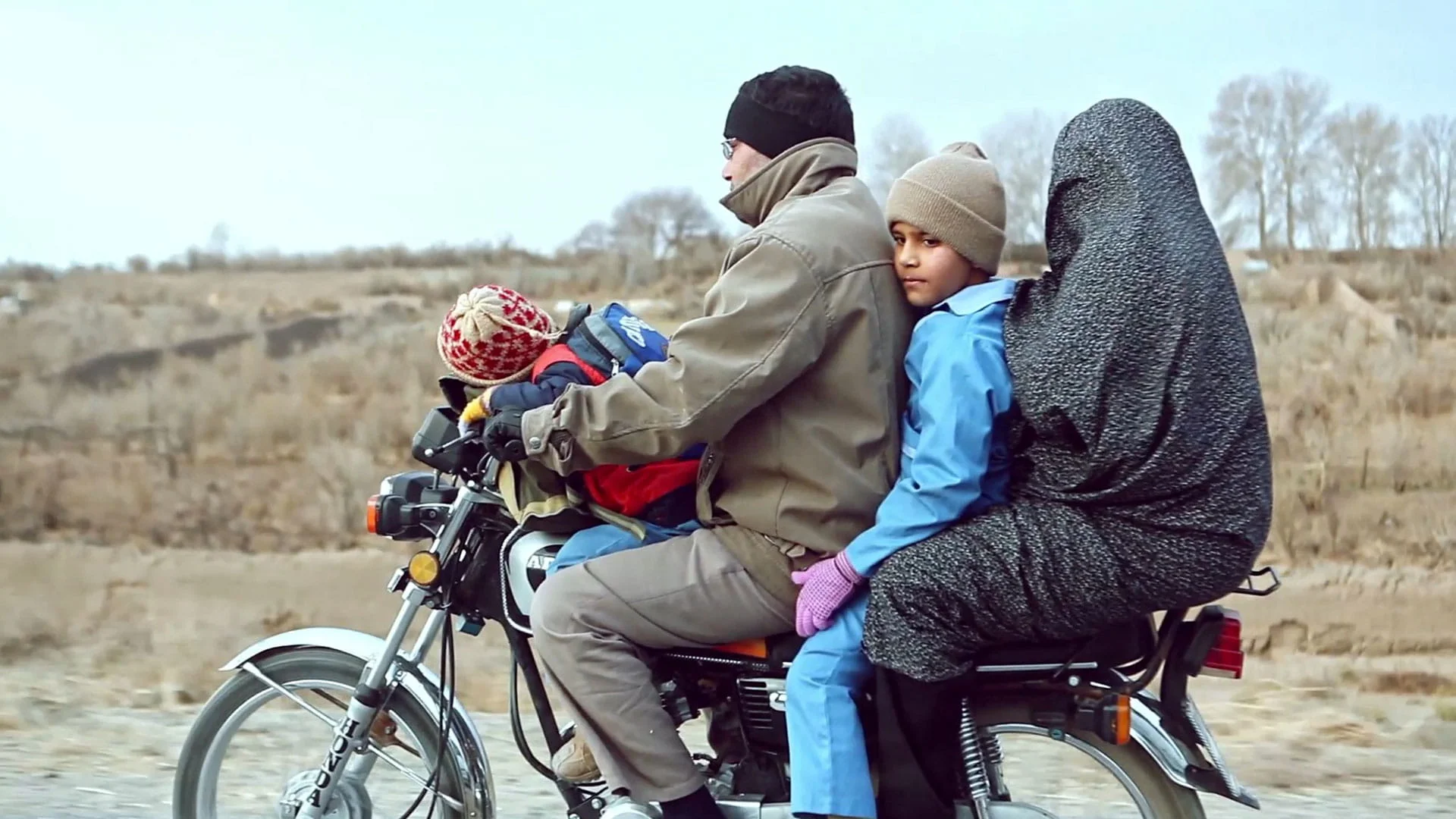
Sohrab leaves for Iran to form the team and find boys with Duchenne. He is faced with a challenge: the Iranian sufferers are not registered anywhere. With no alternative, Sohrab embarks upon an odyssey to travel the vast Iranian landscape, solely relying on word-of-mouth to find his players.
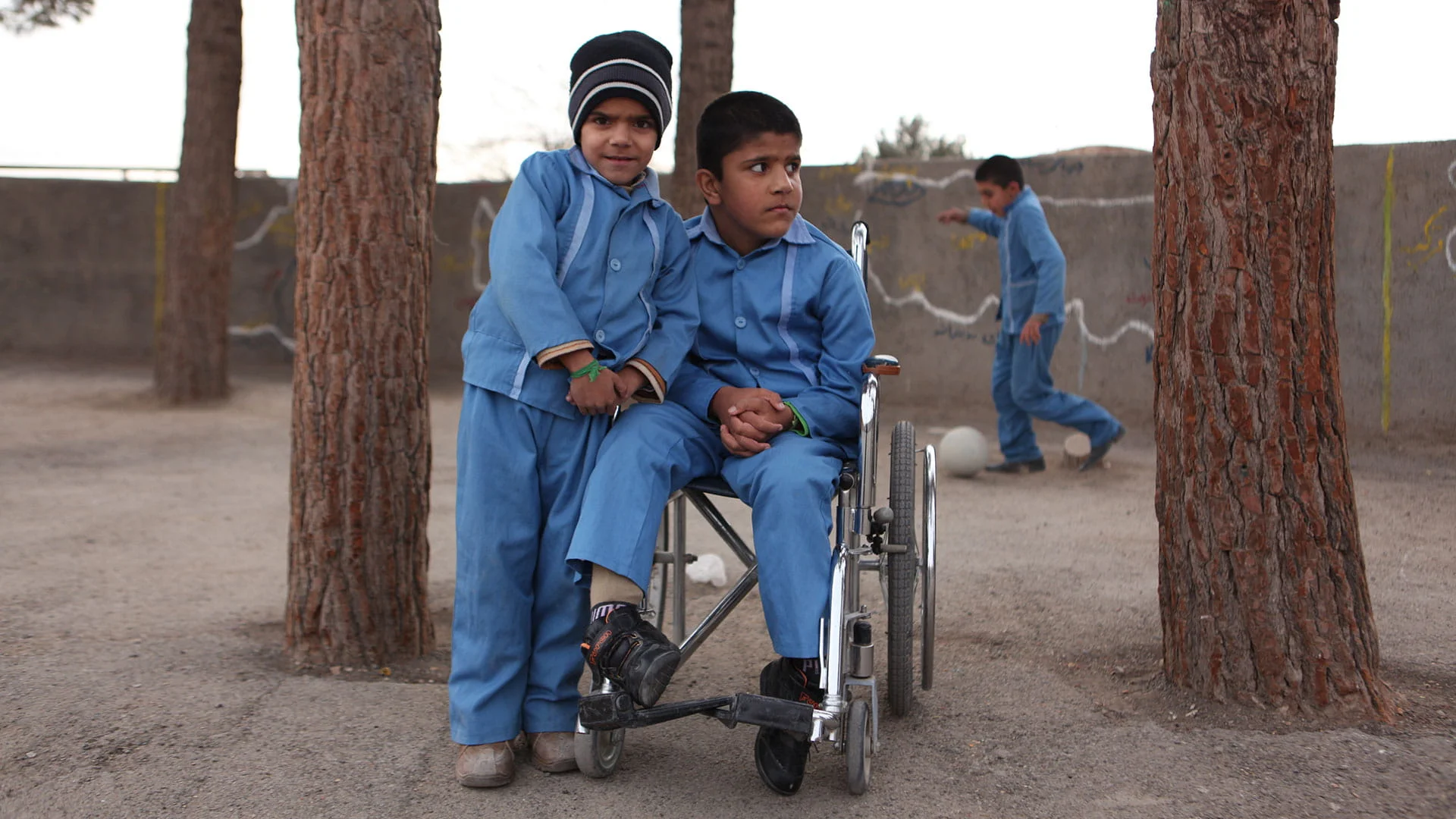
During his time there, he meets hundreds of families. The boys’ stories are illuminating. Several of their fathers are wracked with guilt in believing that they have offended God to cause him to strike down their sons. One father, a former Mullah, became a drug addict, so great is his despair. On the other hand, the boys are full of hope and zest for life; they
don’t see anything standing in their way between them and their futures. Some have become accomplished chess players, one of the few outlets for their broken bodies and smart minds. Most sufferers retain the use of their hands for longer, and so many create table football games from whatever they can find around them, such as marbles and ice cream sticks.
After a while, Sohrab loses hope in his idea as he sees the more pressing issues the families face, such as an urgent need for medical care and support. Just as he abandons the project, he meets Reza, an IT engineer with Duchenne. Reza recognises that the football project has the potential to become an excellent campaign tool to raise awareness and support for Duchenne families. He joins Sohrab on his quest to find the remaining players. The project continues.
Reza’s passion for life brings joy and fun to the journey as they travel together and reminds Sohrab that life is to be lived. Within a year, they recruit the remaining players and connect them to the internet.
Three years after leaving, Sohrab returns to the UK to recruit the English team, leaving Reza in charge of the Iranian team. A few months later, tragic news comes that Duchenne has claimed the life of the Iranian Captain.
Sohrab’s PTSD symptoms return with a vengeance, and he spirals into addiction to numb the pain. During the next few years, the remaining players die, and he sinks further into addiction. His football dream has been shattered.
Several years later, with the help of the 12-Step Recovery Programme, Sohrab pulls himself out of his addiction and finds the courage to revisit the families in Iran. Humbled by his extraordinary and emotional journey, Sohrab has more compassion for the families, and he is able to identify on a deeper level with the father, who also suffered from addiction, and who has now lost both of his boys.
Sohrab and Reza have a new calling. They join forces with the help of Sohrab’s sister and their friends and launch the first charity in Iran to support Duchenne families.
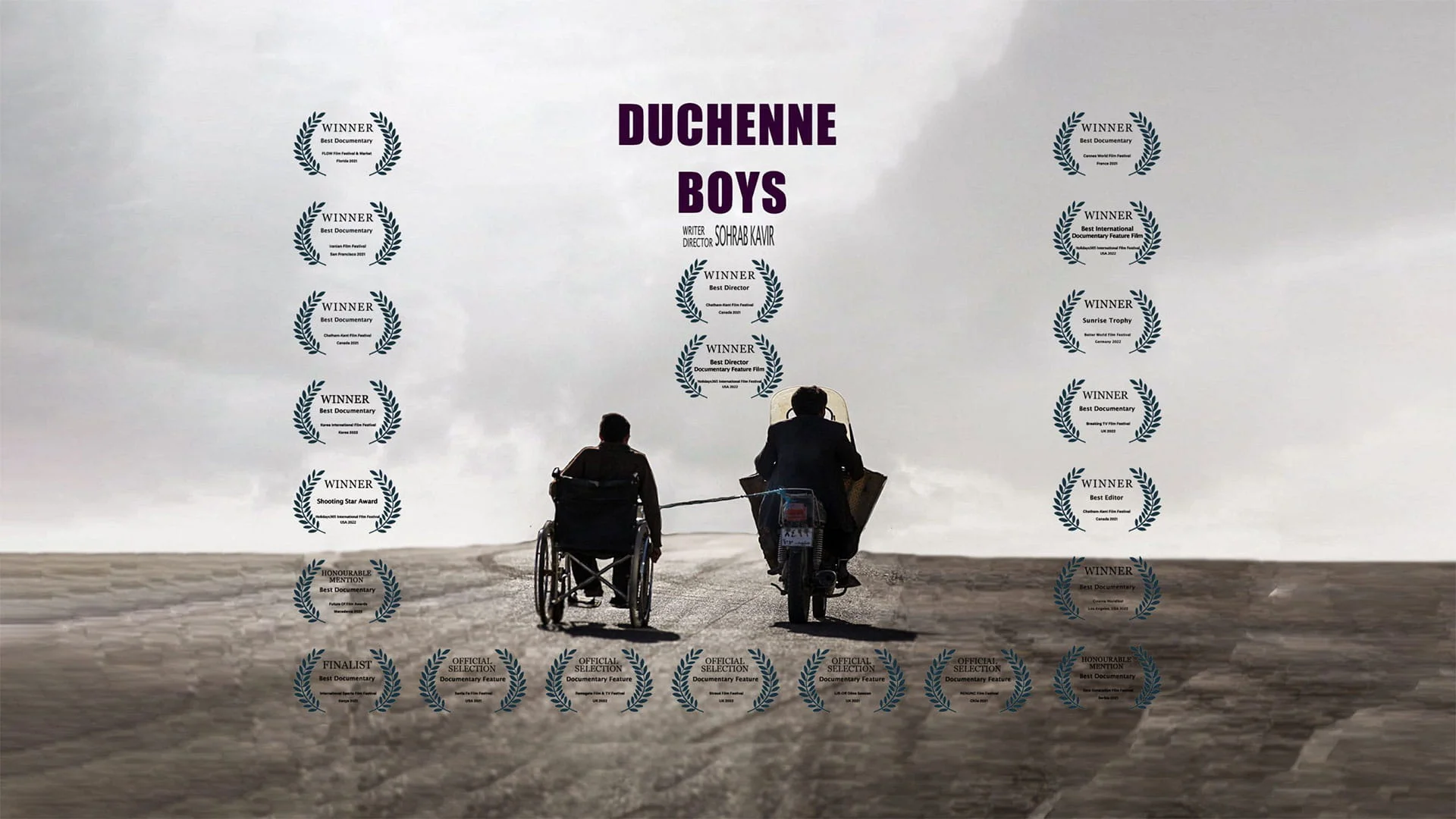
Today, the charity assists over 700 Duchenne families in Iran and the film has won numerous International Awards. The ‘DuchenneBoys’ Instagram page has become the biggest online community for Duchenne families worldwide.